Professional Turf Care

Lawn Overseeding in Dighton, Scituate, Duxbury & Southern MA

We thicken your turf and improve disease resistance by introducing premium, golf-course quality grass varieties into your existing lawn.

Get Your Instant Lawn Care PriceGet Your Instant Lawn Price

Enter your address to start

No callsNo waitingNo sales pitch

By continuing, you agree PROTURF may contact you about your request by phone, text, or email. Reply STOP to opt out.

Treatments

The Fountain Of Youth For Your Lawn

Even the best-maintained lawns age. Older grass varieties often struggle with the humid summers and fungal diseases common in Southern Massachusetts. If your lawn looks tired despite regular feeding, it might be relying on outdated genetics.

At PROTURF, we view overseeding as an injection of new life. We don’t use standard “contractor’s mix” from the hardware store. We select top-rated, certified seed blends specifically bred for drought tolerance, dark color, and natural insect resistance.

By constantly introducing these superior varieties into your lawn, we crowd out weeds naturally and create a dense, resilient carpet that requires fewer chemicals to stay green.

“Blue Tag” Certified Seed0% Weed FillerDisease ResistanceNatural Weed Suppression
Get A PROTURF Quote
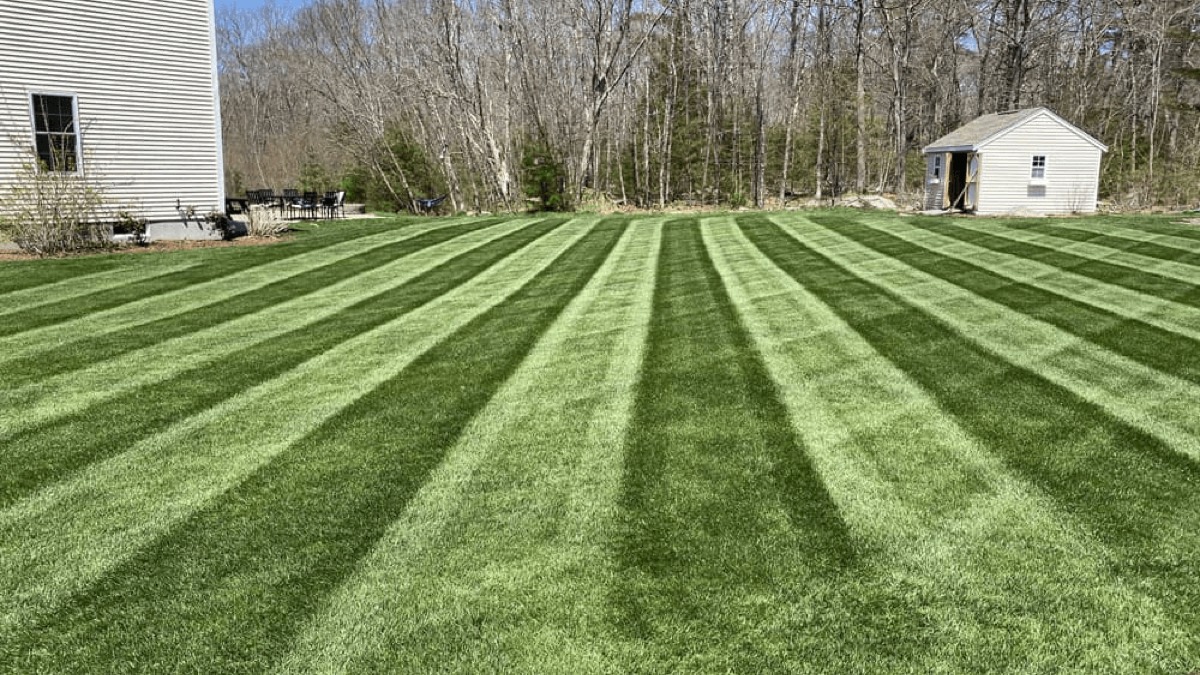
Lawn Overseeding

What's Included

“Blue Tag” certified seed — premium blends with 0% weed filler — never contractor’s mix
Modern disease resistance — varieties that fight off Red Thread and Dollar Spot naturally
Bred for performance — drought tolerance, dark color, and natural insect resistance
Custom variety selection — Bluegrass, Rye, or Fescue matched to your shade and traffic
Surface preparation — seed settles into the soil profile, not the thatch
Starter fertilization — phosphorus-rich feeding for rapid root development
Our process

How We Thicken Your Turf

It’s not just throwing seed; it’s ensuring seed-to-soil contact for maximum germination.

01 — Variety Selection

Variety Selection

We analyze the shade and traffic conditions of your property to select the perfect blend of Bluegrass, Rye, or Fescue that will thrive in your specific micro-climate.

02 — Surface Preparation

Surface Preparation

Seed needs to touch soil to grow. We prepare the surface (often pairing this with aeration) so the seed settles deep into the profile rather than getting stuck in the thatch.

03 — Germination & Feeding

Germination & Feeding

We apply a starter fertilizer rich in phosphorus to encourage rapid root development, ensuring your new grass establishes quickly before winter sets in.

Frequently asked questions

Lawn Overseeding FAQs

When is the best time to overseed here?
Mid-August through late September. Warm soil germinates seed fast, cool nights favor young grass, and there’s a full fall of root growth before winter. Spring seeding is a distant second choice in New England.
Why can’t I seed in spring if I use crabgrass preventer?
Because pre-emergent can’t tell crabgrass from your new seed — it blocks both. If spring seeding is unavoidable we adjust products and timing, but the honest answer is: barrier in spring, seed in fall.
What seed do you use?
Certified premium varieties matched to your yard — modern turf-type tall fescues for durability and drought, fine fescues for shade, disease-resistant bluegrasses where conditions support them. Never contractor mix.
How do I water after overseeding?
Lightly and often for the first two weeks — keep the top half-inch moist — then transition to deep-and-infrequent as the stand establishes. We leave a week-by-week watering calendar after every seeding job.
When can I mow the new grass?
Once it reaches about three and a half inches — typically three to four weeks after seeding. Sharp blade, gentle turns, and skip the striping kit until the stand thickens.
Instant pricing

Get Your Instant Lawn Care Price

Pick your lot size on our instant price estimator and see typical pricing in seconds — no phone call required.

Also available

Our Other Services