Pond country — and a public water supply.
Lakeville is pond country. Assawompset, Long Pond, Great Quittacas and Pocksha cover a remarkable share of the town, and the lawns that matter most here are the ones closest to the water — which is exactly where a lawn program has to be run with some judgement.
Those ponds are not scenery. They are the public drinking water supply for Taunton and New Bedford. That single fact shapes how we treat every lawn in this town — measured, conservative rates rather than guessing and over-applying, with a soil test on hand any time we want a number confirmed.
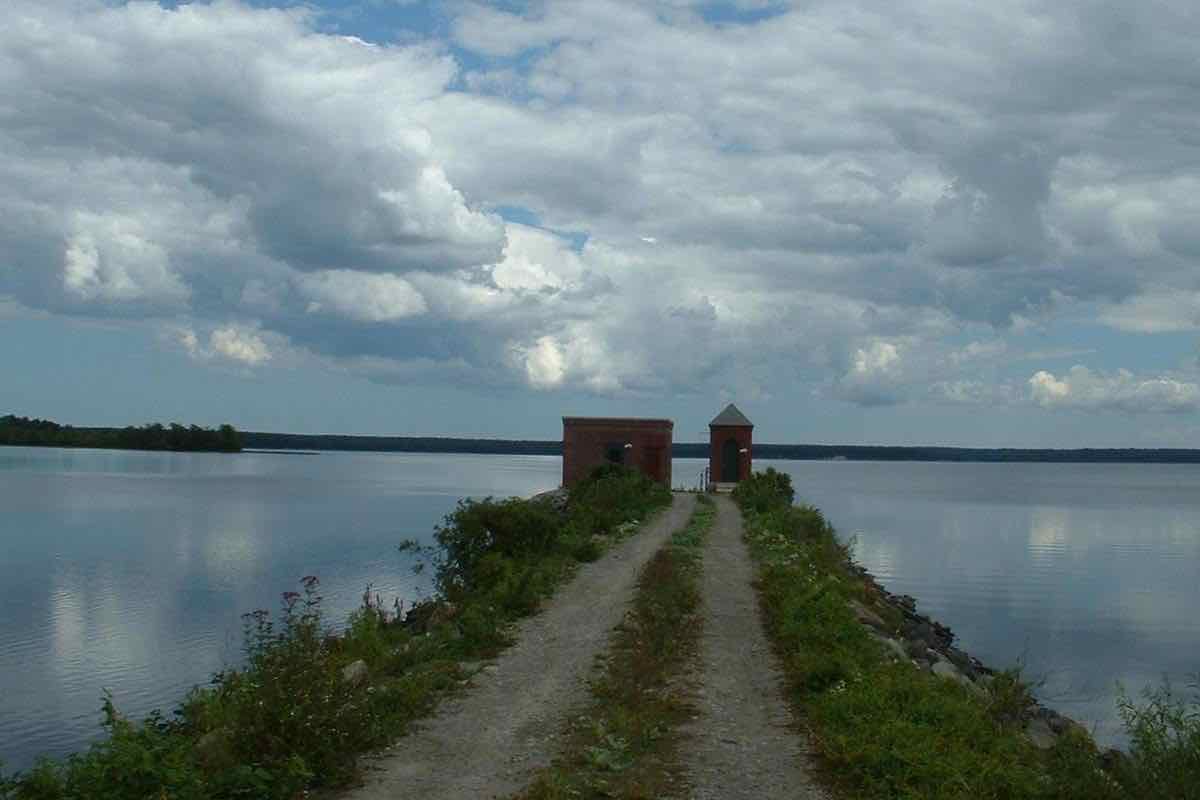
Most of Lakeville drains toward the Assawompset complex. We treat that as a hard constraint rather than a footnote: slow-release nitrogen only, so nothing flushes with the next storm; no phosphorus unless a soil test proves a deficiency, which is both Massachusetts law and simple decency next to a reservoir; and untreated buffer strips where turf meets water. A well-fed lawn actually leaches less than a starved thin one, because dense turf and deep roots hold nutrients in place.
Glacial kettle topography gives Lakeville lawns odd, sudden slopes — a yard can run droughty on the crown and stay damp in the hollow twelve feet away. Blanket treatment gets half of that lawn wrong. We read the property before we price it, feed the dry crown differently than the wet base, and use aeration where compaction rather than nutrition is what is actually limiting the turf.
The lake-side properties carry two problems at once: mature trees throwing dense shade over lawn that also takes wind off open water. Shade thins turf, wind dries it, and homeowners respond by adding nitrogen, which makes the shaded grass leggy and disease-prone. The real fix is species — fine fescues in the shade, taller mowing, and overseeding in fall rather than fighting the site with fertilizer.
Sandy full-sun sections of Lakeville lawns are prime beetle egg-laying ground in July, and skunk damage in September is the receipt. Prevention belongs in late spring, before larvae reach the root zone. Tick pressure is heavy anywhere lawn meets the wooded pond margins — the turf-side answers are a mown edge, no banked leaf litter, and grass dense enough that the transition is abrupt rather than gradual.
Dry summers here come with real outdoor water restrictions, and it is a strange feeling to be told to stop watering while looking at a lake. The answer is the same either way: an inch a week including rain, in two deep early-morning cycles. A program lawn with roots four inches down survives a restriction summer looking tired. A shallow-rooted lawn on the same schedule does not survive it at all.
Where we work around the ponds:
Eric knows what he’s doing! We know our lawn is in good hands for its health and curb appeal. He is professional and trust worthy. Give him a call!
Excellent service! Our lawn is so healthy and green! Would highly recommend!
My lawn went from patchy and thin to thick and green. PROTURF knew exactly what it needed.
Get an instant lawn care price or contact us directly. Honest, owner-operated turf care for Lakeville homeowners.
Serving Southern Massachusetts and nearby Rhode Island — Bristol and Plymouth counties, the South Coast, the South Shore and east to the Cape Cod Canal with a higher level of service. Let’s get your soil healthy today.